Coffee worth crossing the world for.
Two founders and a long hunt for the world’s rarest coffees — bought direct and brought to your door, so the cup that’s nearly impossible to find finally isn’t.
The best coffee was the hardest to actually buy.
Swarnav and Anand have chased coffee for years. The café counters of Paris and Tokyo, the farms of Jamaica and Costa Rica — anywhere a cup was worth the trip. They went for themselves, then for friends and family, bringing back beans that are hard to get in any other way.
Every trip ended the same: someone would taste something extraordinary, ask where to buy it, and come up with overpriced or unreliable options. The coffee is out there — but it's exceptionally scarce, and most of it reaches you through a chain of middlemen, each adding a markup to a cup that's already expensive.
So we built the missing part. We buy straight from the families who grow these coffees — the small, hard-won lots — and we handle the logistics and the import regulations ourselves. Fewer hands, no broker stack, the real thing brought to your door. That's the whole company: the rarest coffee on earth, made simple to actually get.
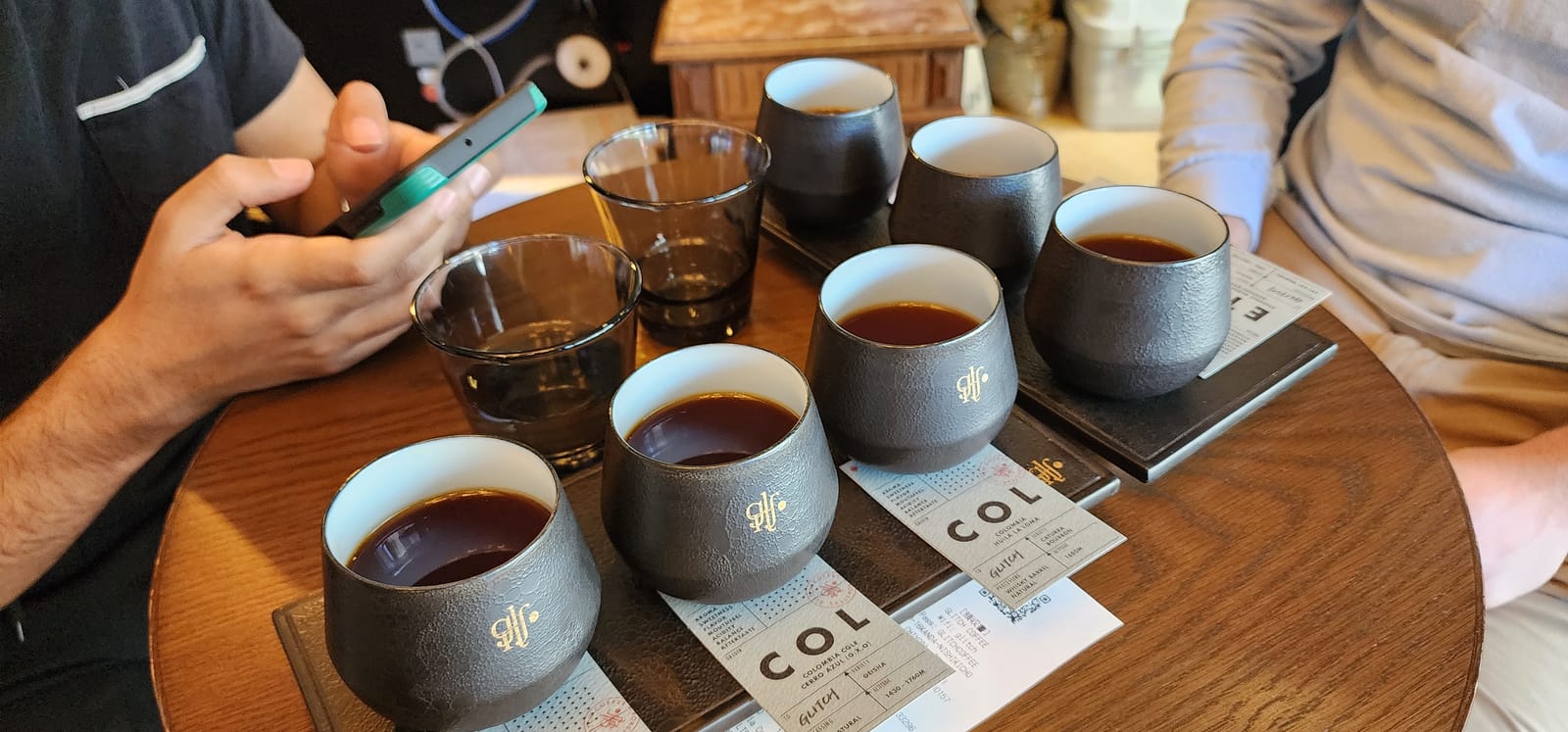
Jamaican Blue Mountain — often called the champagne of coffee.
One of the rarest, most sought-after coffees on earth. We went to the source — up the switchbacks, onto the farms — to bring it back direct.
The sourcing ledger
Blue Mountains, Jamaica — April 2026
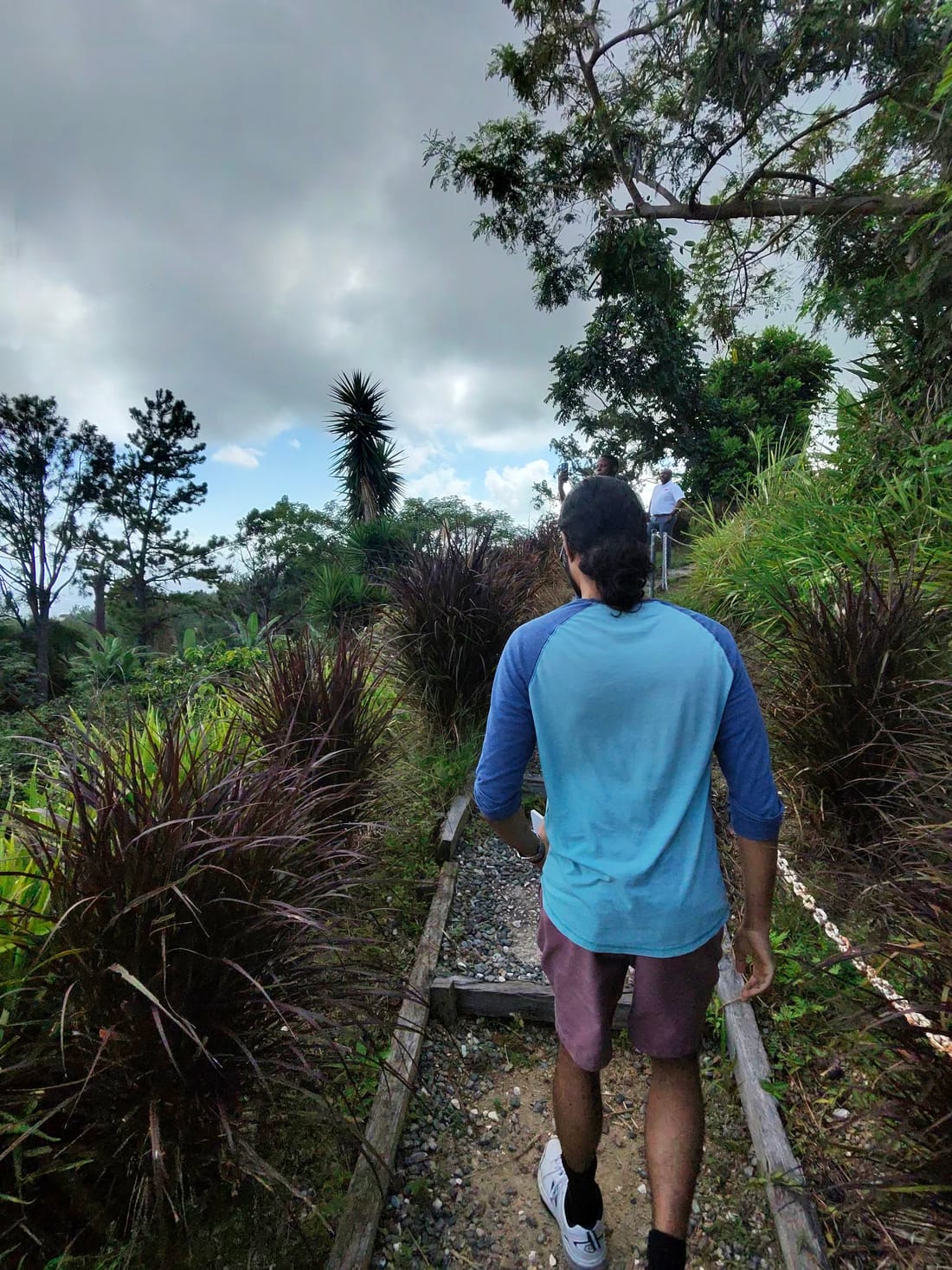
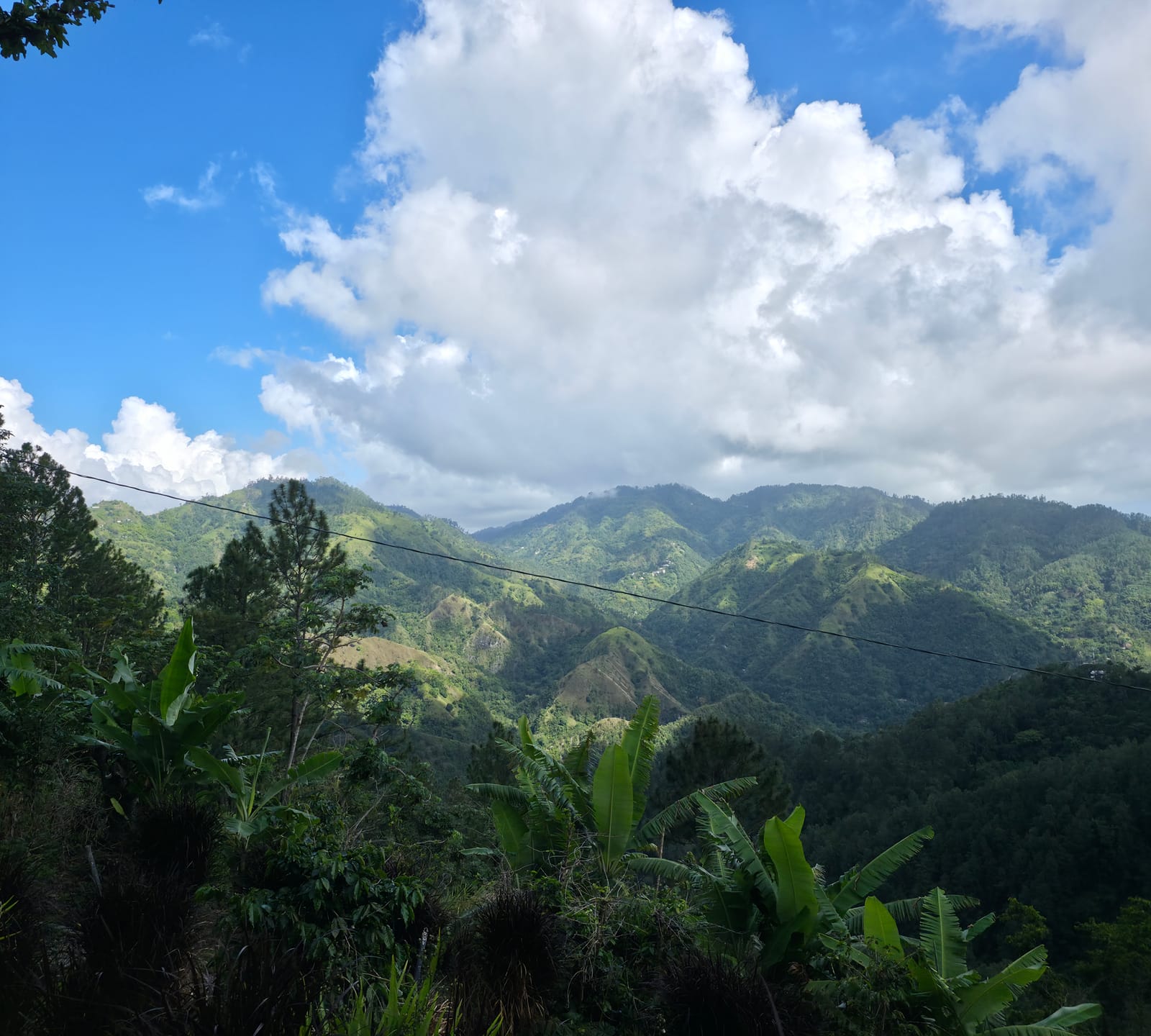
We flew into Kingston and drove up into the mountains the next morning — switchbacks, coffee on both sides, clouds sitting on the peaks. Over a few days we walked the farms, met the growers, and tasted our way to the lots we wanted.
We came home with two: the signature Blue Mountain — smooth, balanced, the classic cup — and one exclusive microlot.
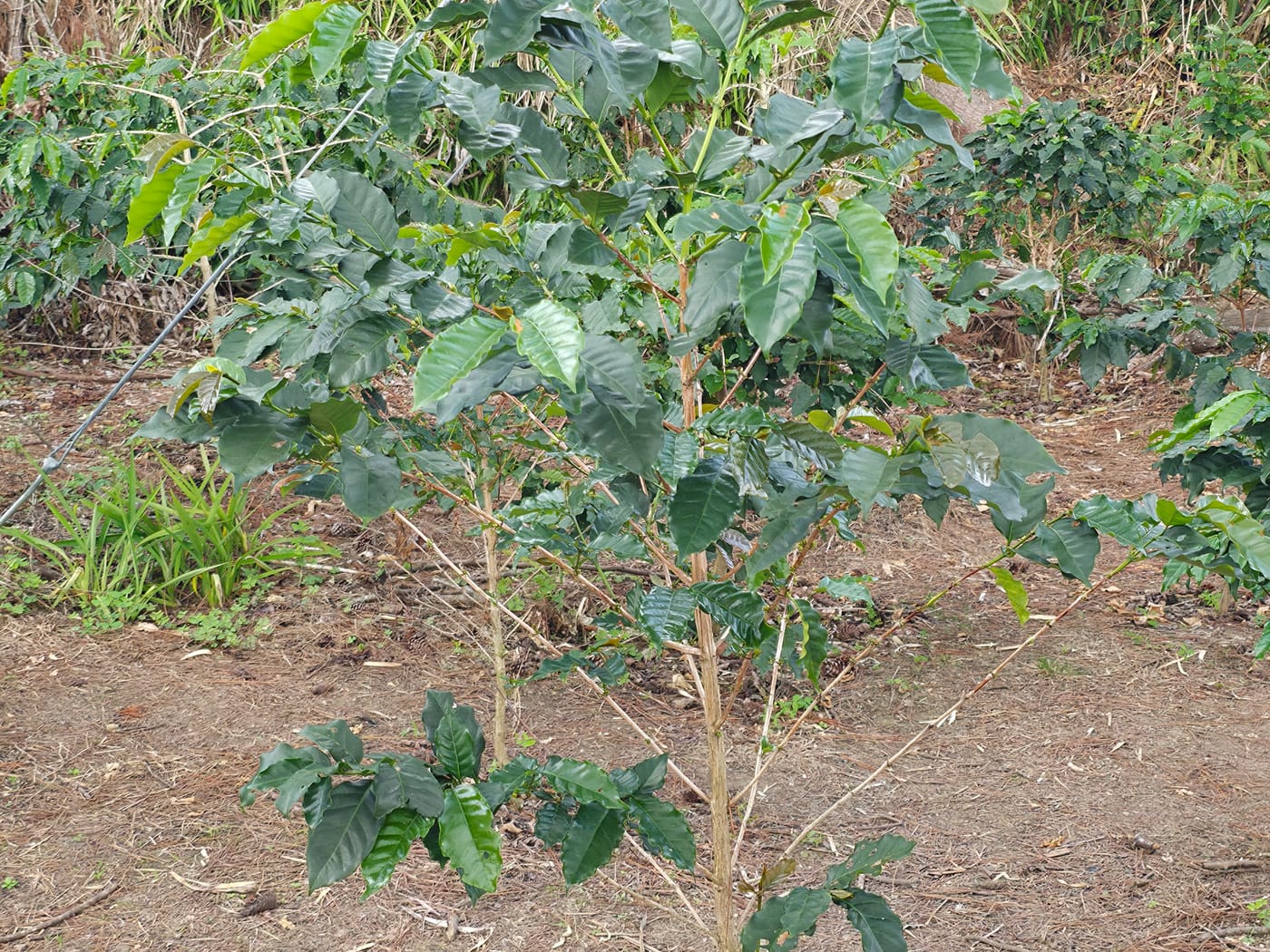
The microlot is the rare one — a single family's plot, under ten acres on steep slopes at four thousand feet, more than a hundred years old. Grown with no synthetic pesticides or fertilizers, on mountain rain and spring water, then picked, dried, sorted, and roasted by hand.
Coffees this small rarely leave the island.
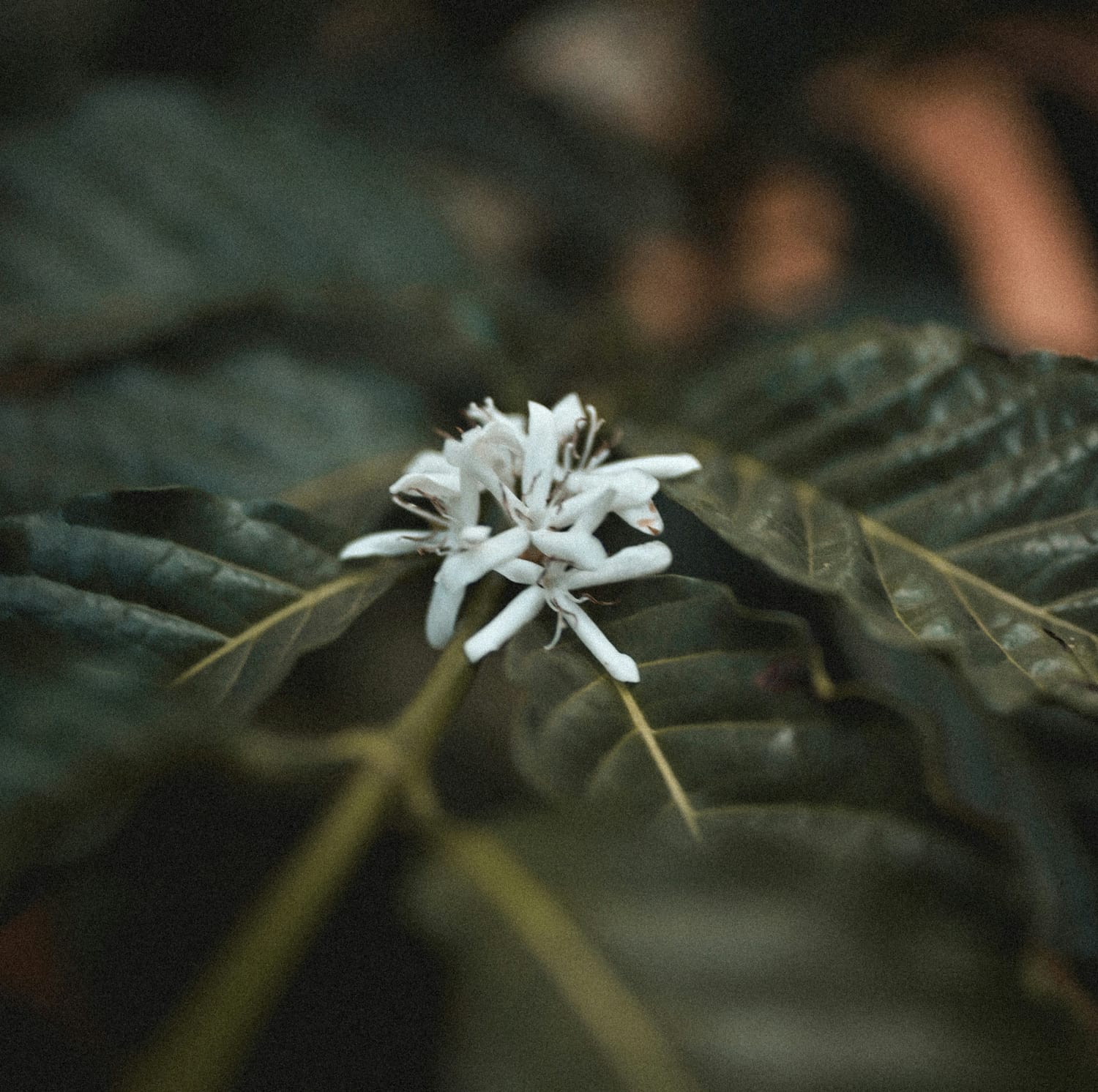
Rubia, for the family it comes from.
Every coffee plant on earth belongs to one botanical family: Rubiaceae. The white bloom here is a coffee flower — where every cherry we chase begins. We took the family’s name, shortened it, and added Reserve for the obvious reason: there’s never very much of this coffee, and we’d rather it reach people who’ll notice.
Jamaica is where the ledger starts.
There’s more on the way — and when it lands, you’ll find it here first.